espresso-machines
Espresso Machines
Reviews of home espresso machines from $300 to $3,000, written by a working barista. Bambino, Gaggia Classic Pro, Lelit, Profitec, Rancilio Silvia, and more.
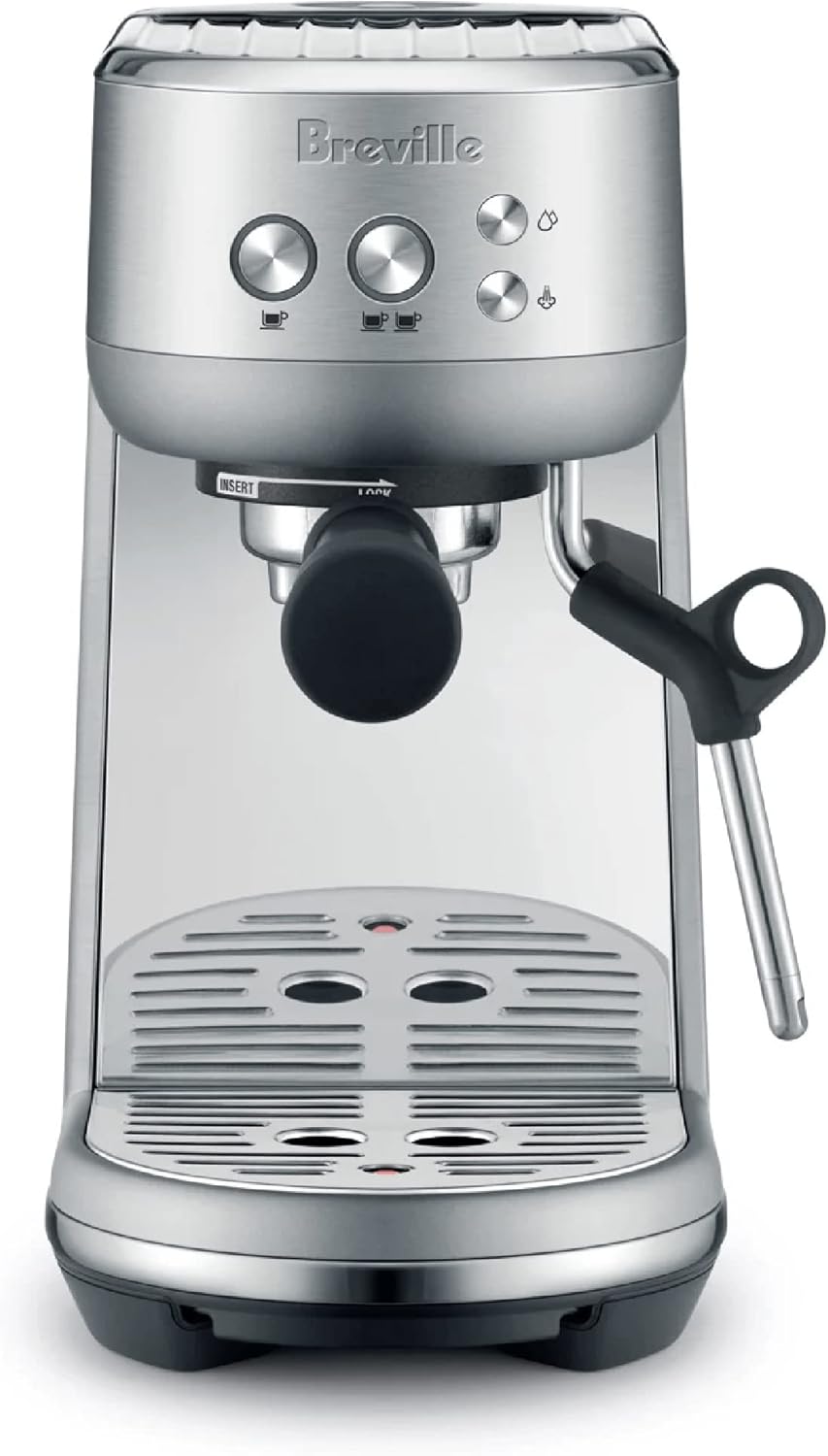
Home espresso machines split cleanly by price. Under $400 you get single-boiler thermoblock machines. They heat up fast and forgive temperature drift. From $400 to $1,000 you get single-boiler with a real PID and a steam wand that builds usable microfoam. Above $1,000 you enter dual-boiler and HX territory. That means back-to-back drinks, professional-feel build, prosumer territory. This page lists every machine we have reviewed, grouped by what makes sense for the buyer, not by brand.
Best entry-level espresso machines (under $400)
Single-boiler thermoblock, fast warmup, forgiving for first-time owners.
Best mid-range espresso machines ($400 to $1,000)
PID, real steam wand, longer warmup but tighter temperature control.
Best prosumer espresso machines ($1,000 to $3,000)
Dual-boiler or HX, back-to-back drinks, commercial-grade build.
Reviews coming soon. Bookmark this page.
Frequently Asked Questions
How much should I spend on my first espresso machine?
Three hundred to five hundred dollars is the sweet spot for a first machine. Below $200 the build does not last and the steam wand is theatre. Above $700 you are paying for features you do not yet know how to use. Allocate the rest of your budget to a good grinder and beans for the dial-in.
Single-boiler vs dual-boiler for home?
Single-boiler is fine if you make 1 or 2 drinks at a time and do not mind the 30 to 60 second wait between brewing and steaming. Dual-boiler is worth it once you make milk drinks for two people back-to-back, or you start chasing temperature stability for shot consistency.
Are super-automatics any good?
For convenience yes. For espresso quality no. A super-automatic with a built-in grinder is convenient and consistent, but the espresso it produces is closer to drip than to a real shot. If espresso quality is the goal, manual or semi-automatic with a separate grinder beats every super-auto on the market.